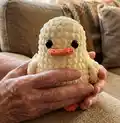
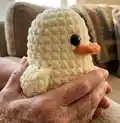
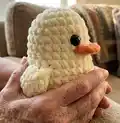
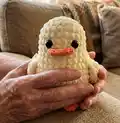
About This Mallard Duck Amigurumi Pattern
This pattern creates a charming mallard duck amigurumi using super bulky yarn and a 3.5mm hook. It includes no-sew body construction so you crochet from the body up to the head for a neat finish. The pattern covers the yellow duck, mallard color variation and a rooster variant with full round-by-round instructions. Photos and notes help you place eyes, feet and small features accurately.
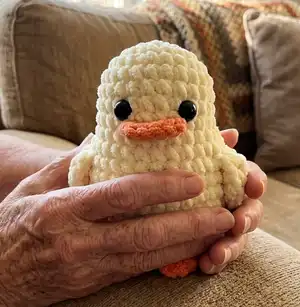
Perfect for crafters who enjoy quick, satisfying projects and cute collectibles. The instructions list all materials, stitch abbreviations and helpful tips for assembly.
Why You'll Love This Mallard Duck Amigurumi Pattern
I absolutely love this pattern because it transforms simple stitches and chunky yarn into a super cute little companion that works up quickly. I enjoy the no-sew construction — it keeps the finish clean and saves time during assembly. The color-change row instructions let me customize each bird easily, creating different personalities like a yellow chick or a mallard. Working with super bulky yarn means the toy is tactile and cuddly, and I always feel excited to gift these to friends and family.
Switch Things Up
I love varying the colors to give each duck its own personality; try pastel yellows, mint greens, or a speckled yarn for a textured look.
To make a mini keychain version, use fingering or sport weight yarn with a smaller hook and safety keyring attached to the top.
I sometimes add a tiny felt scarf or a crocheted hat to dress the duck up for the seasons — these little accessories are quick and fun to make.
If you want a poseable figure, consider threading thin wire into the legs before stuffing to give a stable, poseable stance.
Swap the safety eyes for embroidered eyes or French knots for a fully child-safe toy suitable for small children.
Make a set of ducks in graduated sizes by changing yarn weight and hook size — they look charming grouped together.
Try embroidering small wing details or adding a contrasting slip-stitch border around the body for an accent color band.
I sometimes use metallic or variegated yarn for the beak and feet to add a playful pop of color and sparkle.
For an extra-soft finish, run a lint shaver over the body for a plush, fuzzy surface after finishing (test on a scrap first).
If you prefer sewn-on parts, you can crochet pieces flat and sew them on instead of slip stitching; this allows slightly different placements and stronger attachment.
Common Mistakes & How to Fix Them
✗ Skipping stitch markers during increases or color changes makes it hard to track rounds; place a marker at the start of each round and move it as you go.
✗ Not stuffing gradually leads to lumps or an uneven shape; stuff a little at a time and shape the body while you go for smooth curvature.
✗ Cutting the yarn too early when making legs will make attachment harder; keep the leg yarn tail long and do the two slip stitches into the body before trimming.
✗ Forgetting to count stitches after increases and decreases produces uneven shaping; count stitches frequently, especially after rounds with INC or DEC.